
Advanced Patent Solutions
Explore our patented innovations in mechanical engineering solutions.
Patent Analysis for Advanced Mechanical Engineering
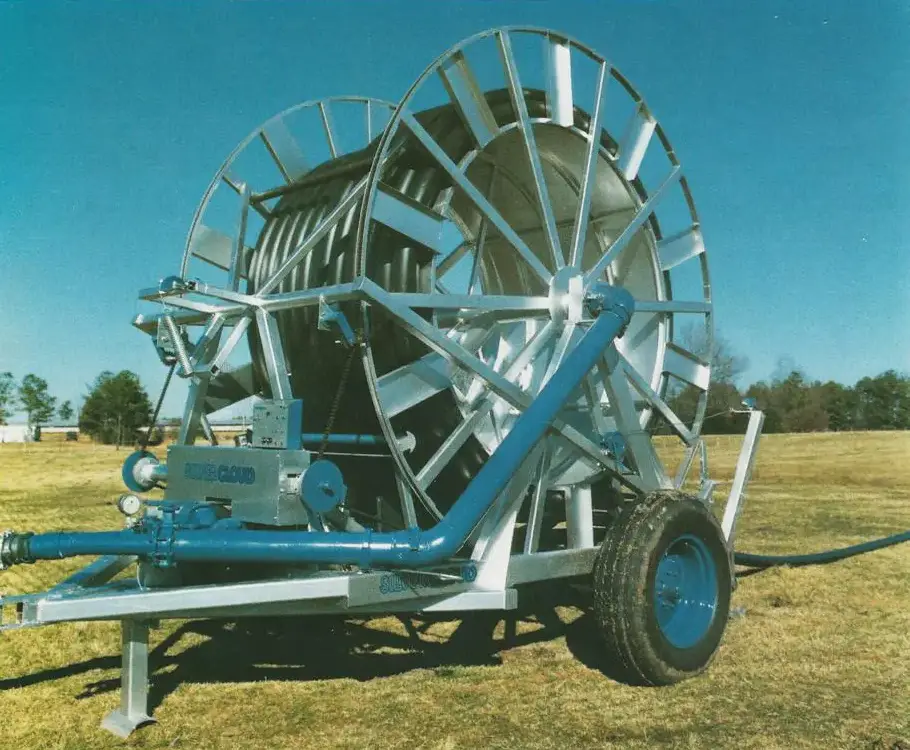
Hose-Reel Traveling Irrigation Machine
10 acres per set: 1/4 mile (1320') x 330'. 1 acre inch of water = 27140 gallons
27140/550 gpm = 8.2 hours per set. In dry conditions, 1 machine can support 100 acres of crop.
Machine designed for irregularly shaped fields
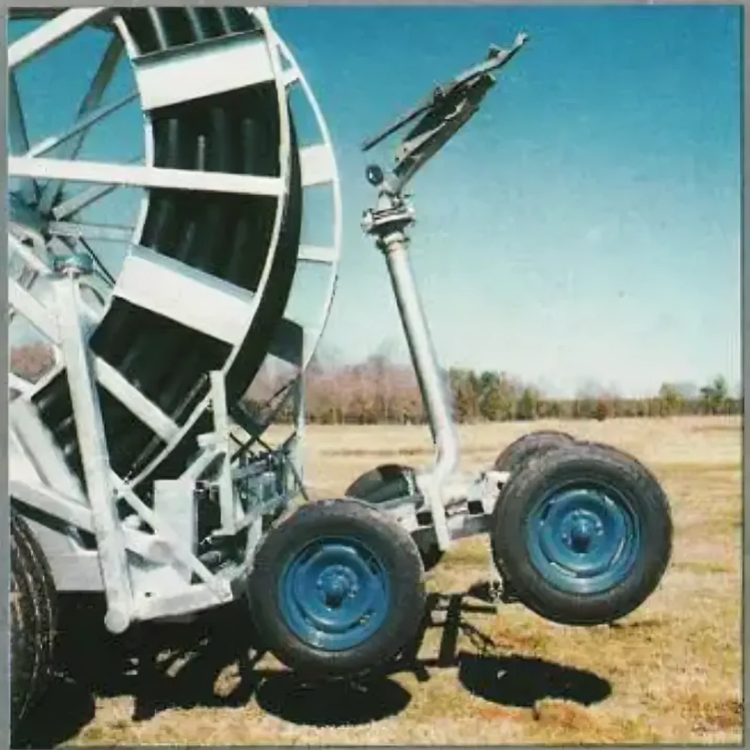
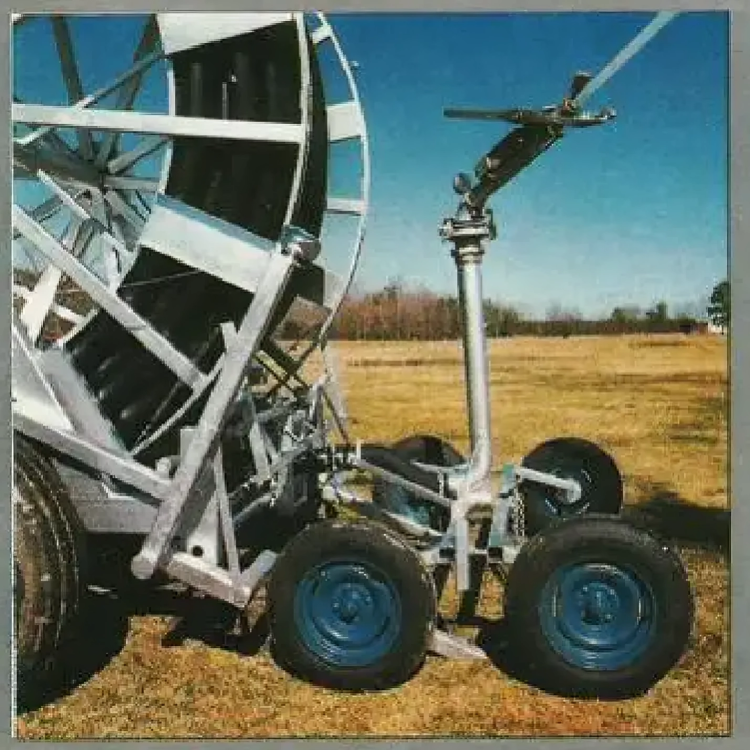
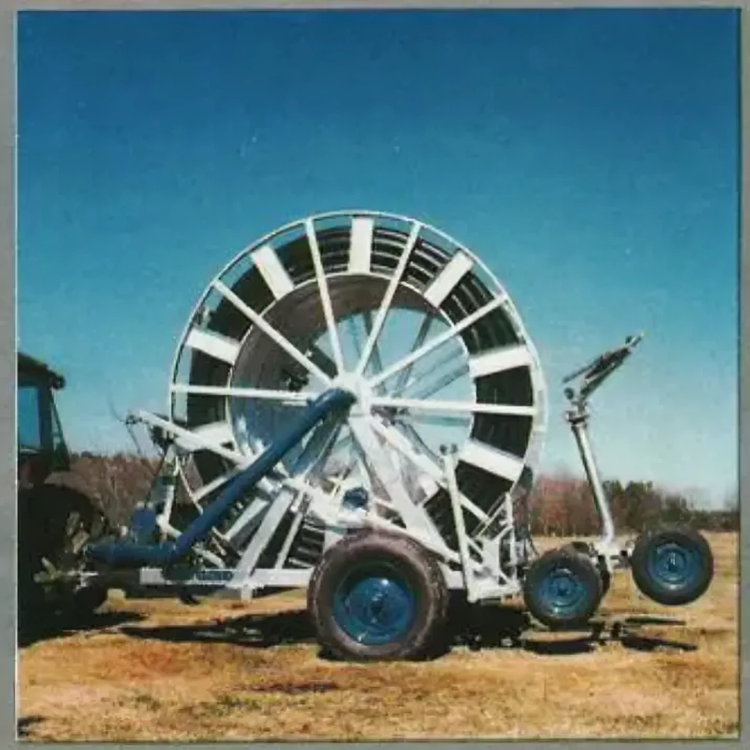
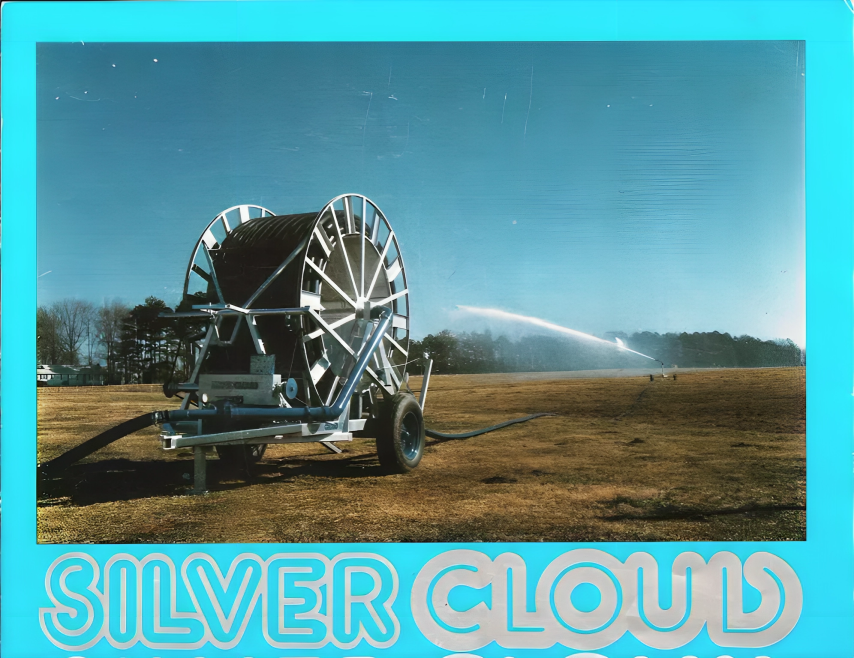
The rim on the reel is 11 ft. Diameter is the final drive reduction gear, a ratio of 7400 to 1. This machine produced 6000 pounds of torque with .53 HP generated by a mixed-flow water motor (HP = RPM x torque/52520).
The electronic controller reads the pulse tach on the incoming hose and automatically adjusts drive speed to ensure uniform application. The uniformity of application resulted in The Sliver Cloud winning all categories in the field test of our patented moving irrigation machine against all 5 competitors conducted and certified by Auburn University.
Operating conditions on the discharge gun:
550 GPM at 90 PSI
The Silver Cloud was my first patent, with 17 claims applied for in 1979. This 14,000-pound machine was designed from concept to fabrication drawings in less than one month, the “old-fashioned way.” No desktop computer, no Solidworks, just a drawing board, a parallel bar, a mechanical pencil, and an abundance of erasers. On my desk or in my hand was the Machinery’s Handbook, Fluid Flow Handbook, published in 1934 by the Crane Company, an old-school calculator, and a set of Thomas Register.
All structural, mechanical, and hydronic calculations were done by hand.
By the end of the second month, the prototype was ready for a test…it worked.
With a working prototype and a low bank account, I had no choice but to search for partners, ultimately venture capitalists.
We incorporated, built jigs and fixtures, and produced more than $3,000,000.00 in sales within the first 18 months. Later in that second year, oil prices more than doubled, loan interest rates quadrupled to around 20%, and Jimmy was wandering around the White House in a sweater. In this almost instantaneous depression, the State of Georgia watched as 33% of their farmers went bankrupt…our customer base. My partner/investors encouraged me to sell part or all of my stock so that a merger with another company they owned could pass tax benefits. I sold all.
The sale of stock allowed me time to evaluate my career. Taking stock of my strongest experiences—fluid flow, both golf course and agricultural irrigation, and God-given design abilities—I determined my best opportunities would remain in the fields of agricultural equipment design.
Over a period of several months, I collected every ag census, environmental impact study from the USDA, and numerous state agencies, all leading to the following facts & opinions available in 1984:
80% of the world's grains were produced in the US.
Farm land was being lost due to poor land management practices and urban sprawl at a rate of more than 3.5 million acres per year.
The world's population was doubling.
40% of the world population was considered starving
Based on the above, the simple summary is we must learn how to produce more food per acre. This led me to the commercial greenhouse industry, as in a “controlled environment” production increases by more than 400%.
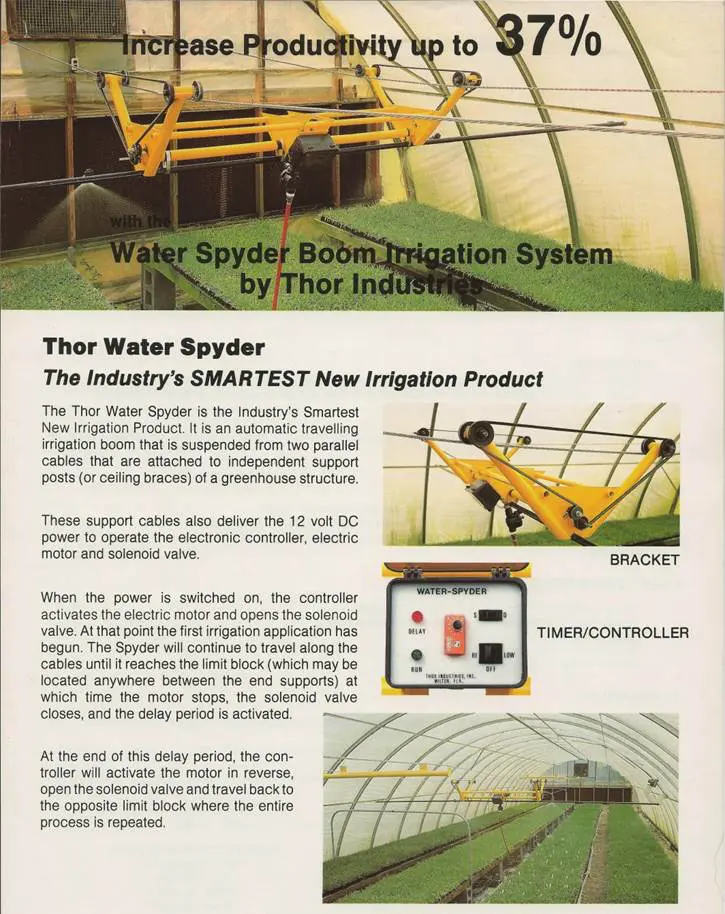
Thor Water Spyder
After visiting and interviewing numerous commercial greenhouse operations, one of the most obvious areas of need for improvement was watering the crops. Most were being irrigated with a human operating a spray-wand. Uniformity of application was expensive and easy to see as the uniformity of the crops resembled hills and valleys.
I built my first prototype and applied for patents on what the industry now calls a “traveling boom” that is extremely accurate and also capable of chemical applications.
By 1985, Al had invented the internet, and I bought my first computer, a Commodore Amiga, and loaded it with an early version of 3D CAD, nothing like Solidworks but light-years ahead of my drawing board.
Thor Industries was incorporated, and over the next 14 years, it led to much on-the-job training, new machine models, and other opportunities.
A special honor:
In 1988 Thor was invited to meet with Disney World engineering to design an automated “hanging-basket” conveyor. After the NDA and conceptual design(s), we were awarded the contract to build this new system.
The system supports 80-pound baskets on staggered 18-inch spacing, creating a double layer of baskets. The key is that these baskets are globe-shaped and must be hung at all times. The conveyor facilitated transport loading and unloading from the driven end. The design required variable speed and was my first experience with Variable-Speed Drives (VFD). More than a decade later, VFD application was the “hot thing” in the HVAC industry.
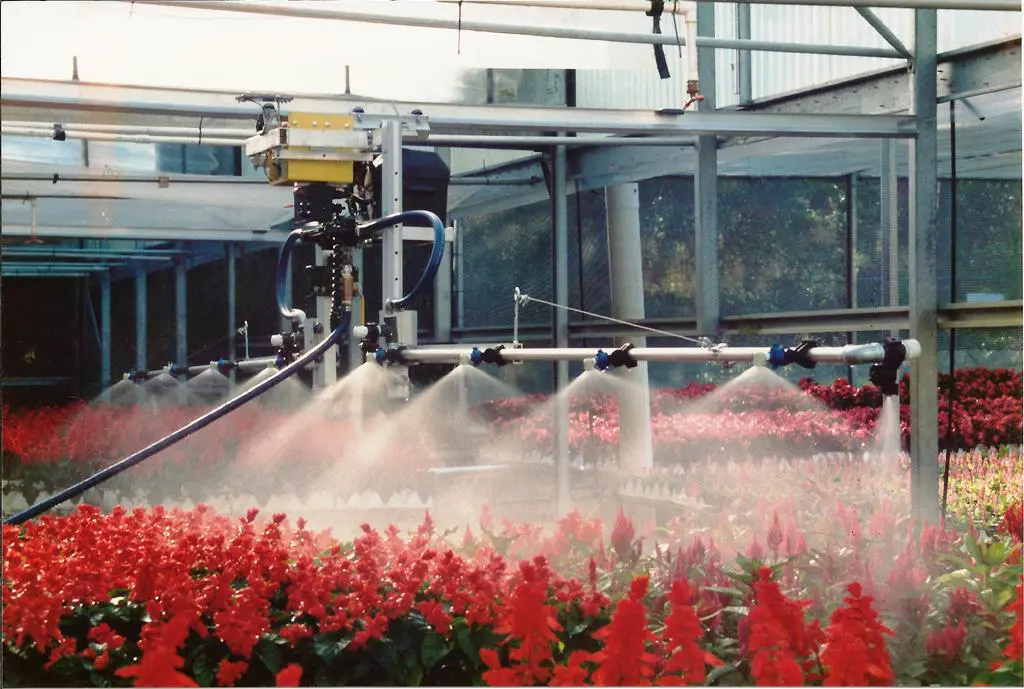
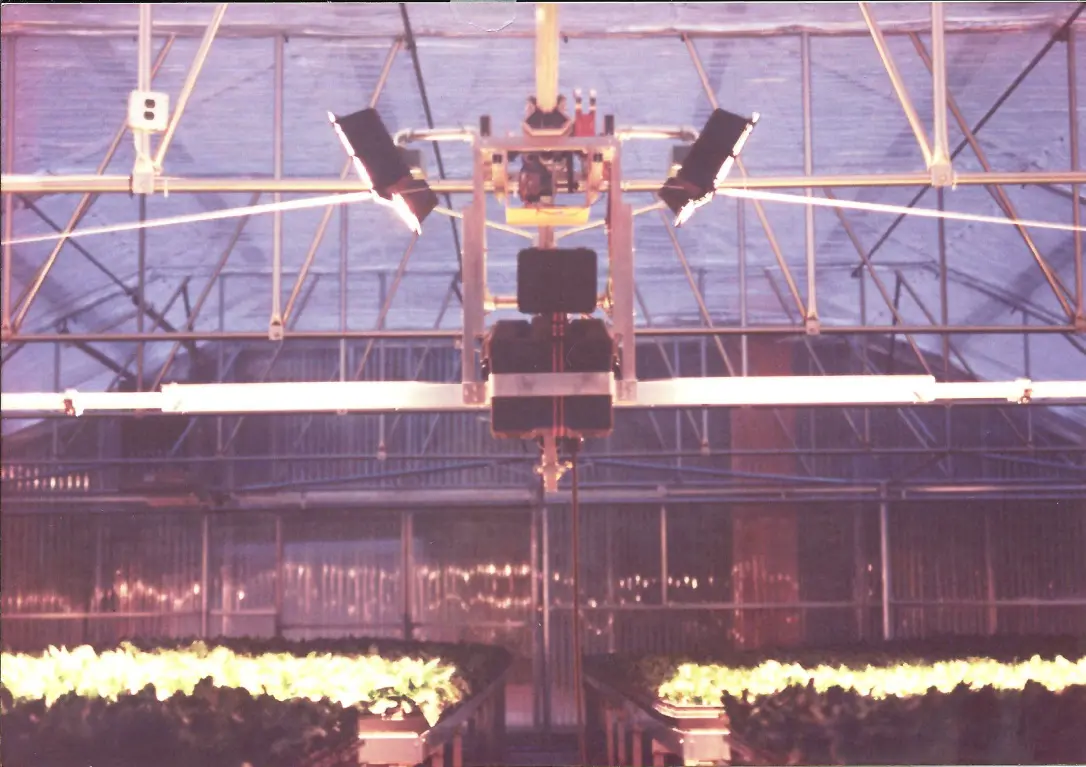
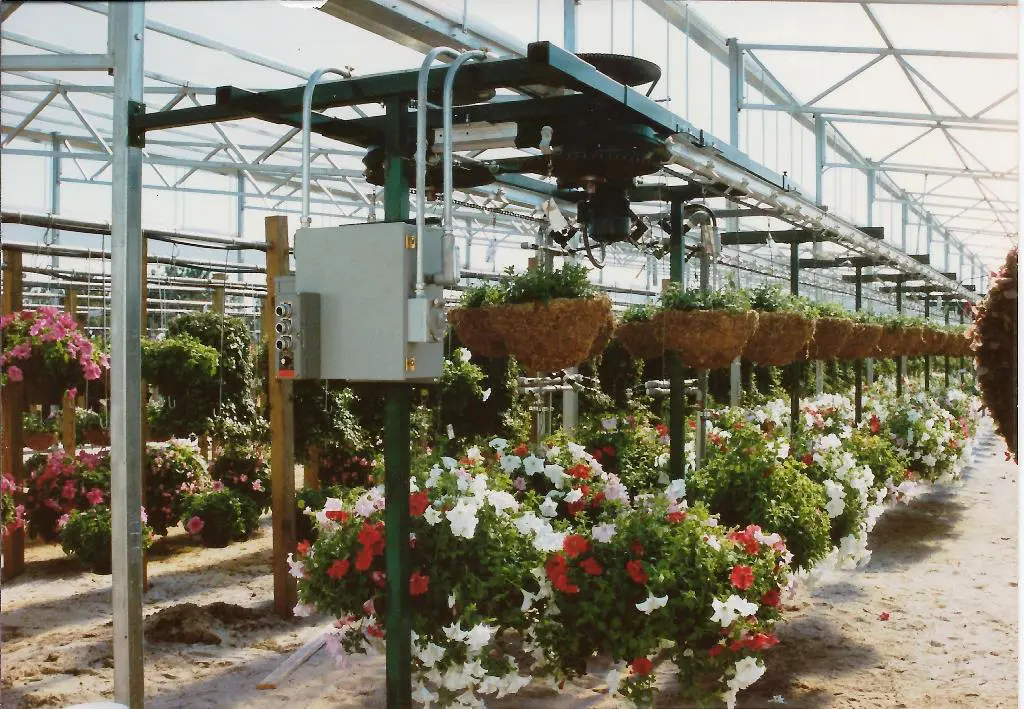
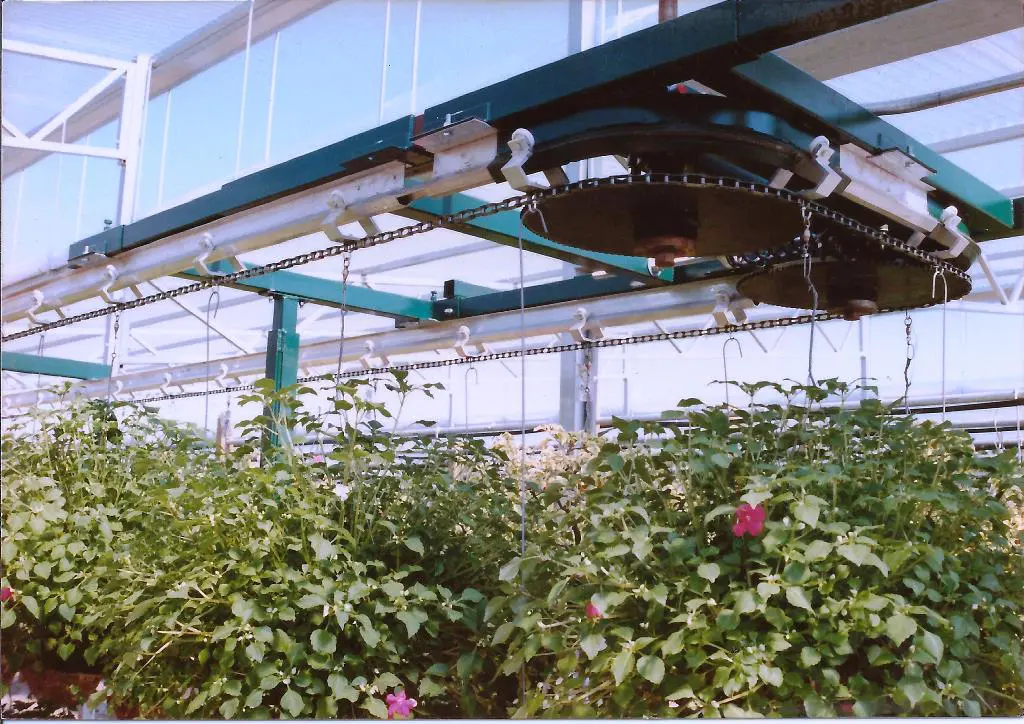
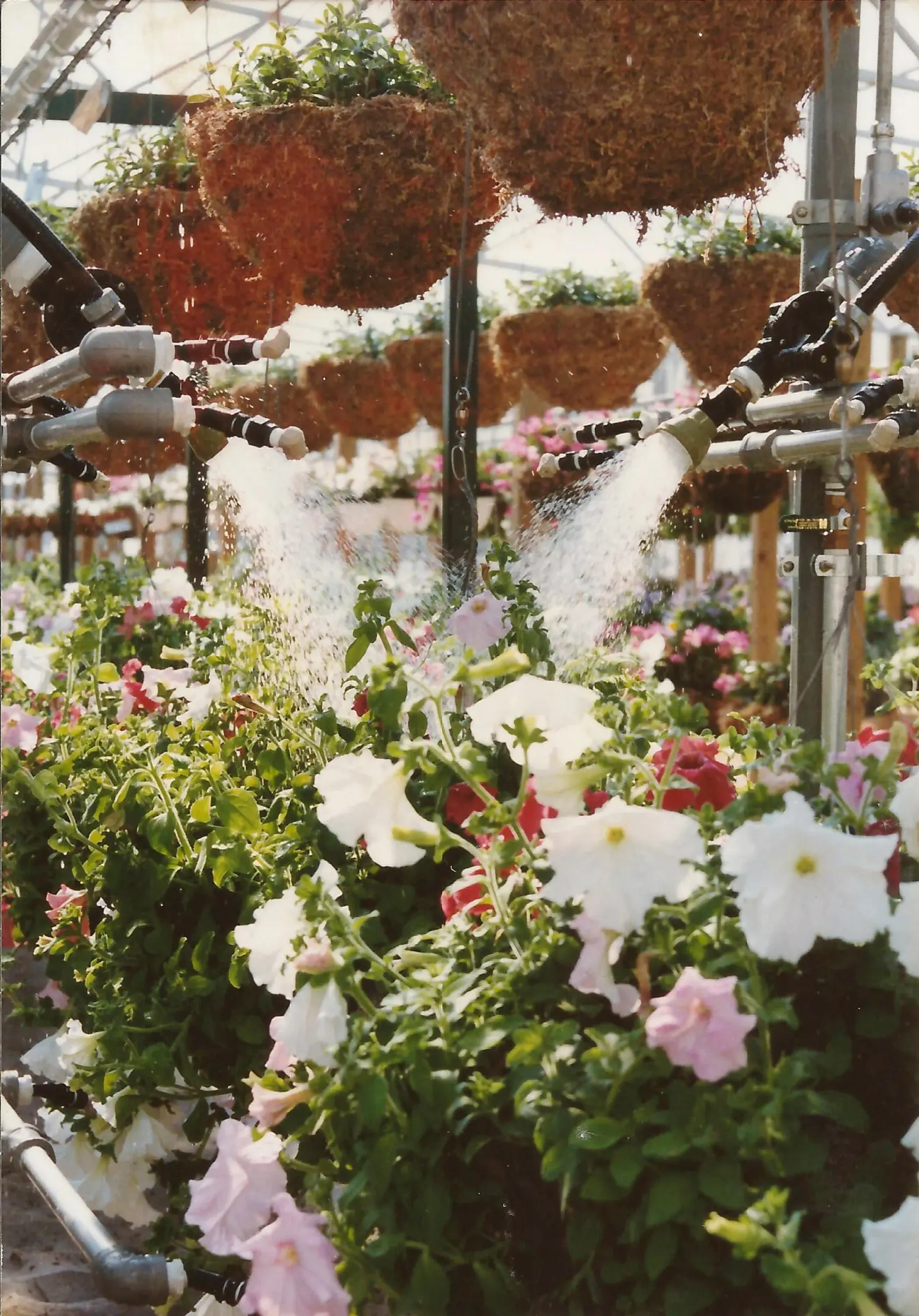
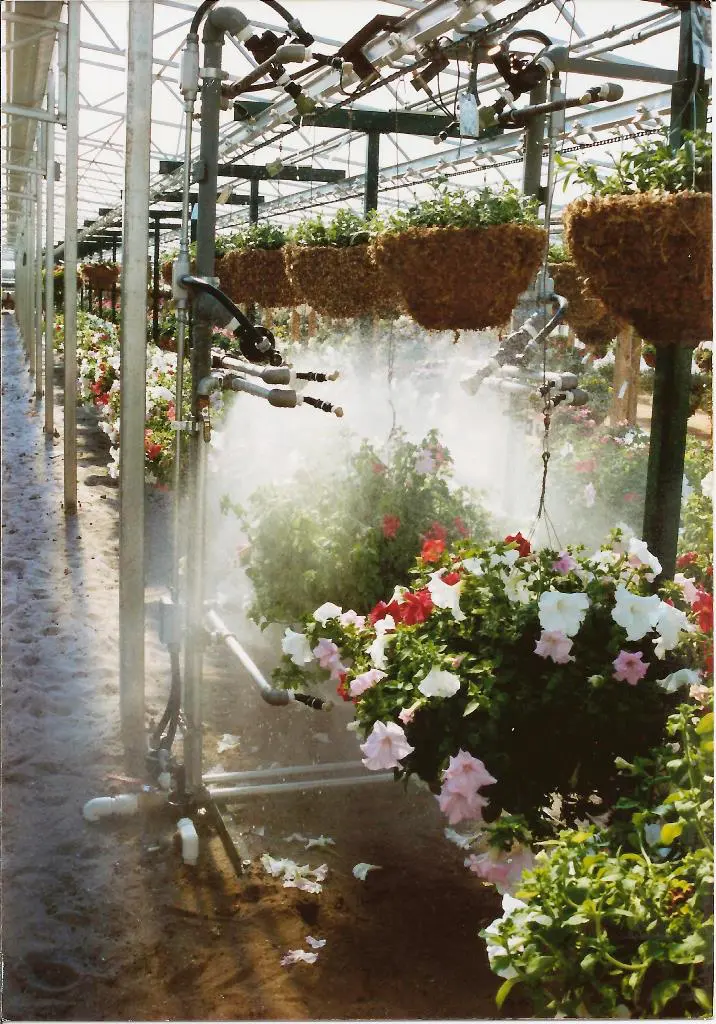
To make it more fun, the design called for a combination watering and spray station, but to make it even more fun, this station had to read programming tabs on each basket to tell it how much water and/or spray.
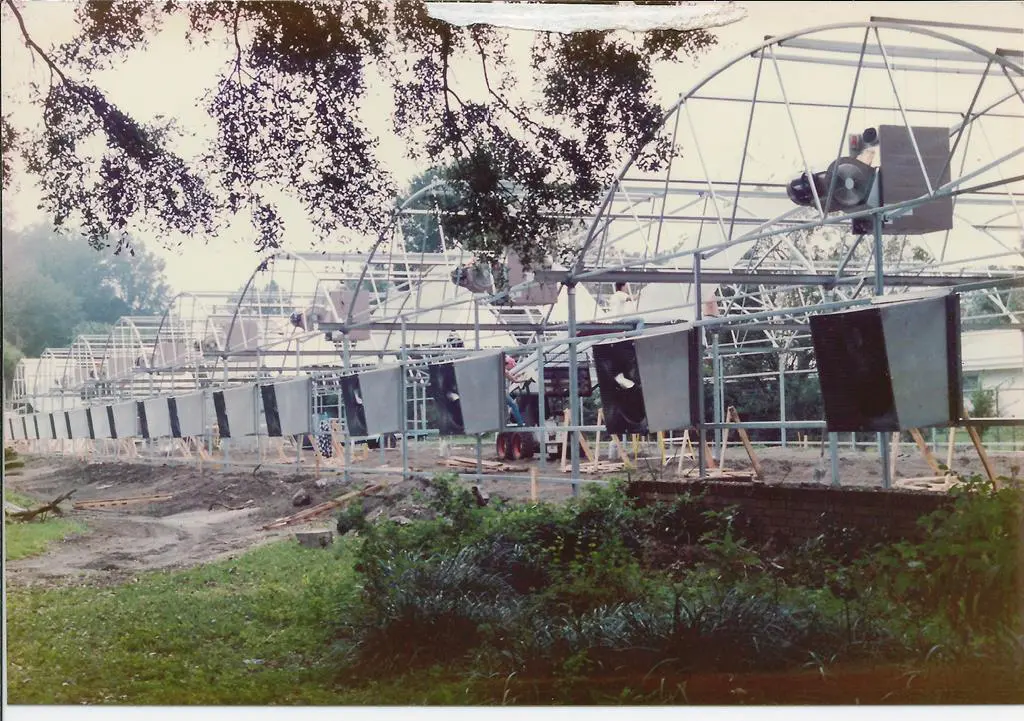
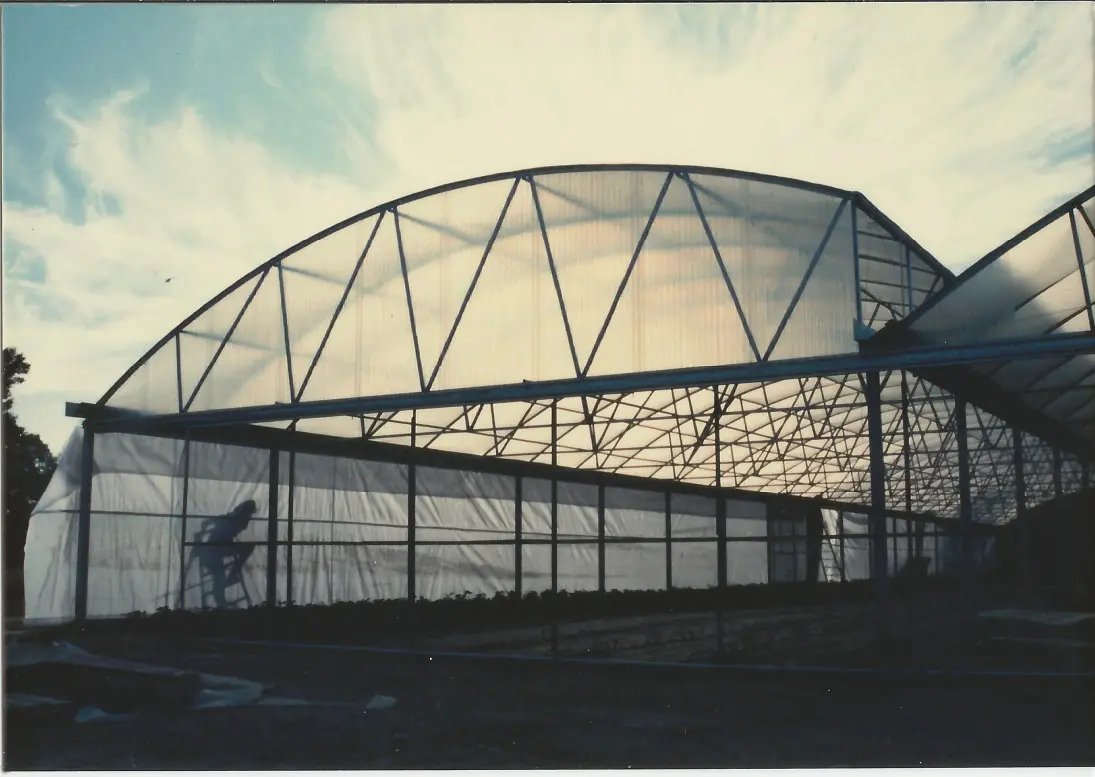
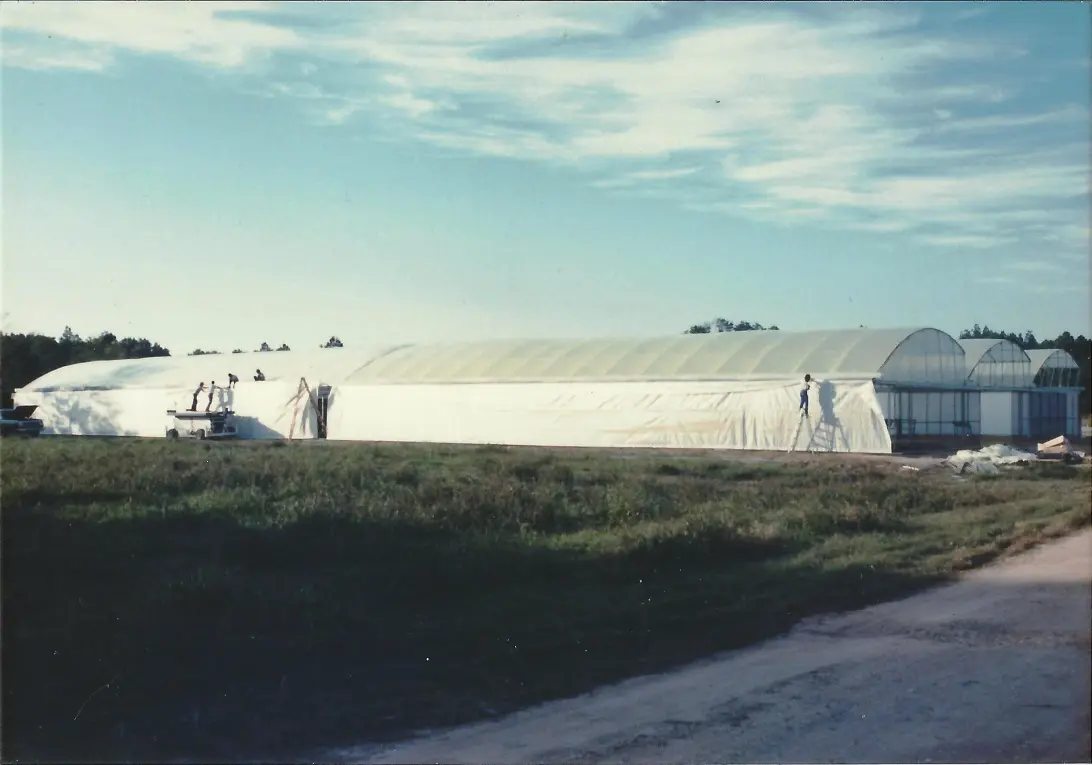
Greenhouse construction, sales, and design.
Our plans are to continue new conceptual designs on the first truly innovative new greenhouse system. Preliminary designs and analysis suggest that this revolutionary new greenhouse system may reduce labor and energy by as much as 40%! When the patent drawings are completed over the coming months and “patent pending” is secured, we will bring it to the site.
Additional future designs include HVAC package systems for greenhouses of all types. These systems will be available in skid-package form or as a totally enclosed modular structure that can be delivered with minimal installation and maximum efficiency.
Need a Patent?
With three issued personal patents and numerous others by employers, we have significant experience with the patent process. With a secure, signed non-disclosure agreement, we can assist our clients from concept(s) to patent drawings and preparation (including advice on best practices to strengthen the patent), consulting with your attorney, and from there all the way into manufacturing.